
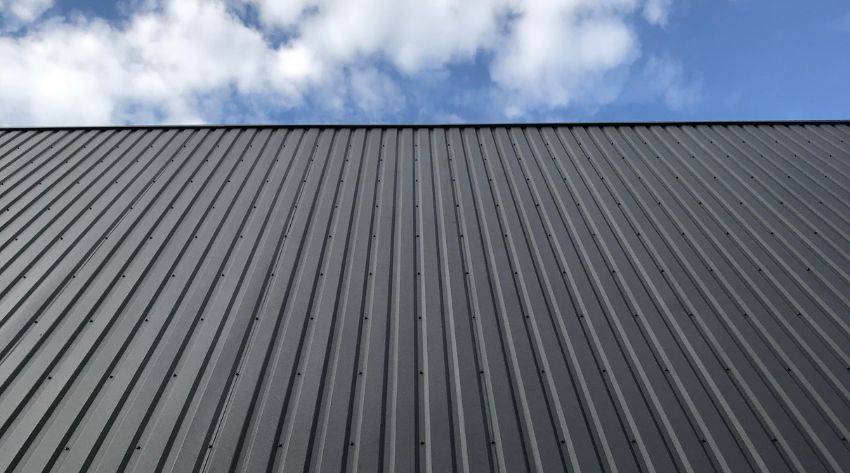
Selecting the correct roofing material for your home can be tricky, particularly in Australia where years of exposure to the elements can take a serious toll on your roof. You will most likely come across metal roofing and tile roofing. Each type comes with its own set of pros and cons and the decision isn’t simply aesthetic; it will influence how much maintenance is required, the home’s energy efficiency, and the long-term financial implications.
This blog will shed light on the pros and cons of both metal and tile roofs to help you make an informed decision for your home.
1. Durability and Longevity
Metal Roofing
Metal roofs, often made from Colorbond steel, zincalume, or aluminium, are designed to withstand Australia’s extreme weather conditions, from scorching heat to torrential rain and cyclones. They are highly resistant to:
- Rust and corrosion (with proper coatings)
- Fire (non-combustible material)
- Pests (such as termites and rodents)
- High winds (when installed correctly, can withstand wind speeds up to 200 km/h)
Metal roofs have a lifespan of around 40–70 years, depending on maintenance and environmental conditions.
Tile Roofing
Tile roofs, typically made from concrete or terracotta, are also durable but more susceptible to certain types of damage. They excel in:
- Longevity, often lasting 50–100 years if well maintained
- Fire resistance, as tiles are non-combustible
- Thermal mass, which helps regulate indoor temperatures
However, tile roofs can be brittle and prone to cracking from impacts (e.g., falling branches, hailstones). Regular maintenance is needed to replace broken tiles and prevent leaks.
2. Weather Performance
Metal Roofing
- Best for: Coastal areas, cyclone-prone regions, and bushfire zones
- Reflects heat, making it ideal for hot climates
- Can be noisy in heavy rain, but insulation can minimize this
Tile Roofing
- Best for: Temperate and cooler climates
- Absorbs heat, making it beneficial in winter but potentially too hot in summer
- Heavier than metal, providing better insulation but adding extra weight to the structure
3. Energy Efficiency
Metal Roofing
Metal roofs reflect more sunlight, reducing heat absorption and lowering cooling costs in summer. They work well with insulation and cool roof coatings, enhancing energy efficiency.
Tile Roofing
Tile roofs absorb and retain heat due to their high thermal mass, which can help in colder months but may lead to higher cooling costs in summer. Lighter-coloured tiles and roof ventilation systems can improve efficiency.
4. Maintenance and Repairs
Metal Roofing
- Requires minimal maintenance
- Occasional checks for rust, loose fasteners, or dents
- Less prone to leaks compared to tiles
Tile Roofing
- Regular inspections needed for cracked or broken tiles
- Moss and algae can grow on tiles, requiring periodic cleaning
- Underlayment may need replacing over time to prevent leaks
5. Cost Comparison
Metal Roofing
- Initial cost: $50–$150 per square meter
- Installation: Generally faster and cheaper than tiles due to lightweight material
- Long-term savings: Lower maintenance costs and better energy efficiency
Tile Roofing
- Initial cost: $80–$180 per square meter
- Installation: More labor-intensive due to the weight of tiles
- Long-term savings: Durable but may require more frequent repairs
6. Aesthetic Appeal
Metal Roofing
- Modern, sleek appearance
- Available in a variety of colours and finishes (e.g., Colorbond range)
- Works well with contemporary and industrial-style homes
Tile Roofing
- Classic and traditional look
- Available in terracotta, concrete, and various shades
- Complements Mediterranean, Spanish, and heritage-style homes
7. Environmental Impact
Metal Roofing
- Made from recyclable materials
- Lower carbon footprint due to energy efficiency
- Can accommodate solar panels easily
Tile Roofing
- Natural materials (concrete and clay) but less recyclable
- Heavier weight increases transportation emissions
- Longer lifespan reduces replacement frequency
8. Installation Time
Metal Roofing
- Quick and efficient installation due to large sheets
- Less labor-intensive, reducing overall costs
Tile Roofing
- Slower installation due to individual tile placement
- More labor required, increasing time and cost
Which Roofing Option Is Best for Your Home?
Factor | Metal Roofing | Tile Roofing |
Lifespan | 40–70 years | 50–100 years |
Weather Resistance | Excellent | Good |
Energy Efficiency | High (reflective) | Moderate (absorbs heat) |
Maintenance | Low | Moderate to high |
Cost | Lower upfront, more savings | Higher upfront, potential for frequent repairs |
Aesthetics | Modern, versatile | Classic, traditional |
Final Verdict
Both metal and tile roofing have their advantages, but your choice will depend on your budget, climate, and personal preferences:
- Choose Metal Roofing if you want a durable, low-maintenance, and energy-efficient option, especially for hot climates or cyclone-prone areas.
- Choose Tile Roofing if you prefer a classic aesthetic, long lifespan, and excellent insulation, especially for cooler or more temperate regions.
No matter which option you choose, quality installation and regular maintenance will ensure your roof lasts for decades, providing protection and comfort for your home.
Need professional advice on your roofing options? Contact a local expert to find the best solution for your Australian home!


One Response
Hi I am looking for a company to repair my hail damaged roof on the house and replace the 3 car car port roof completely. Please advise if this is the work that your company is interested in Cheers DES CALING